 Albanian
▾
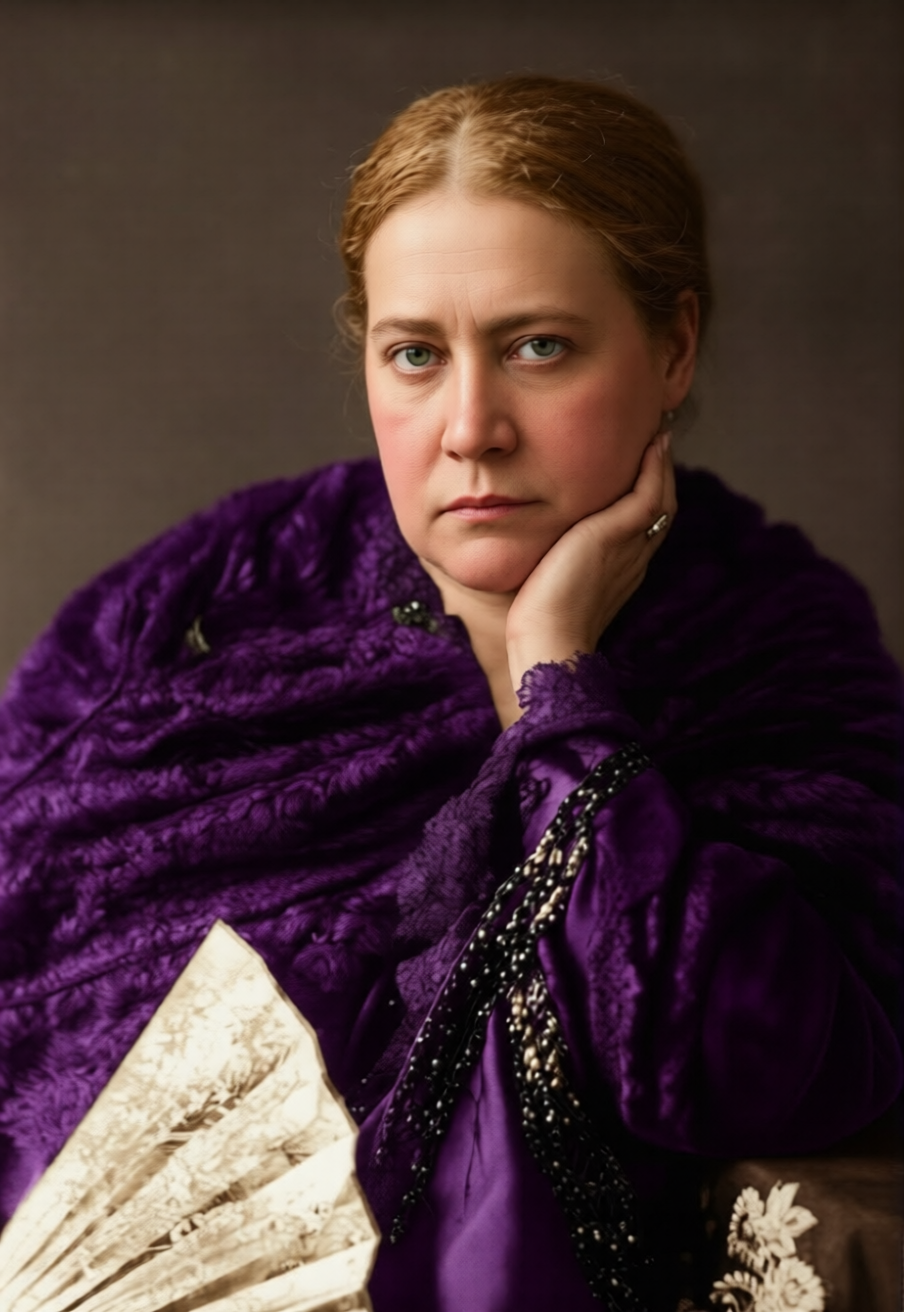
Her full name, Helena Petrovna Blavatsky, reflects her Russian heritage:
Origin, Era, and Parents
Helena Blavatsky was born on August 12, 1831, in Yekaterinoslav (now Dnipro, Ukraine), and died in 1891.
Her family background was notable:
She was raised in an aristocratic environment but showed early signs of independence and a deep interest in the mystical.
Who She Was
Blavatsky was:
She claimed to have traveled extensively, studying ancient wisdom traditions in places such as India and Tibet, and to have been instructed by advanced spiritual teachers often referred to as “Mahatmas.”
Mission and Teachings
Her core teachings include:
Her major works, though not requested explicitly, are central to understanding her teachings:
These texts attempt to synthesize science, religion, and philosophy into a unified worldview.
Legacy for Humanity
Blavatsky’s influence has been profound and far-reaching:
Her work encouraged a broader view of spirituality, emphasizing direct experience and inner development rather than dogmatic belief.
Conclusion
Helena Petrovna Blavatsky remains a pivotal and polarizing figure. Whether seen as a visionary or a controversial mystic, her role in reshaping modern spiritual thought is undeniable. She opened pathways for the exploration of consciousness, the synthesis of traditions, and the enduring search for universal truth.